Newark, California
Commercial Carpet Cleaning in Newark, CA
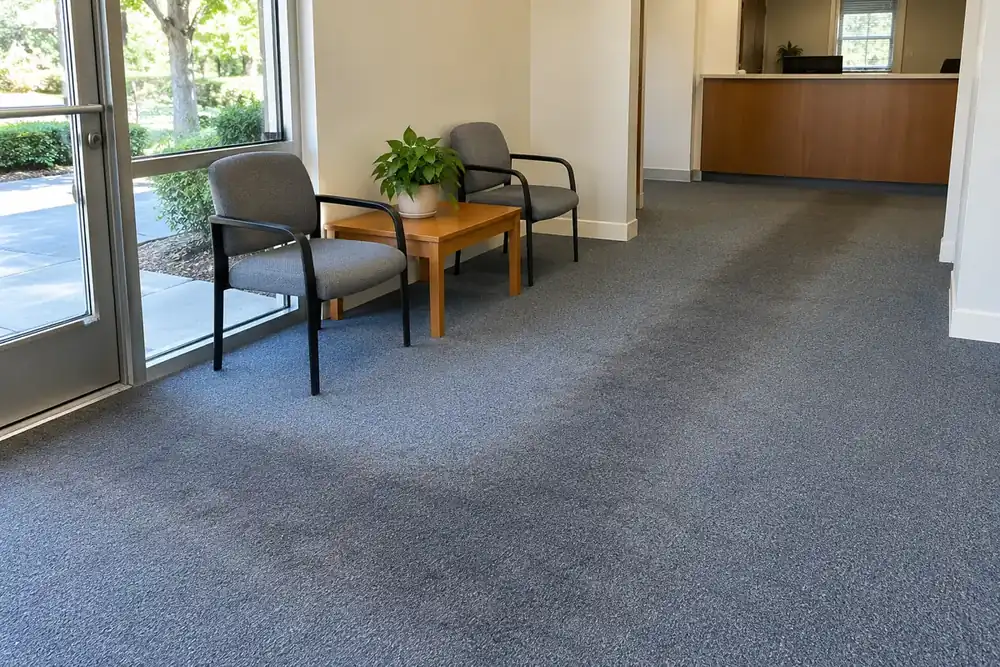
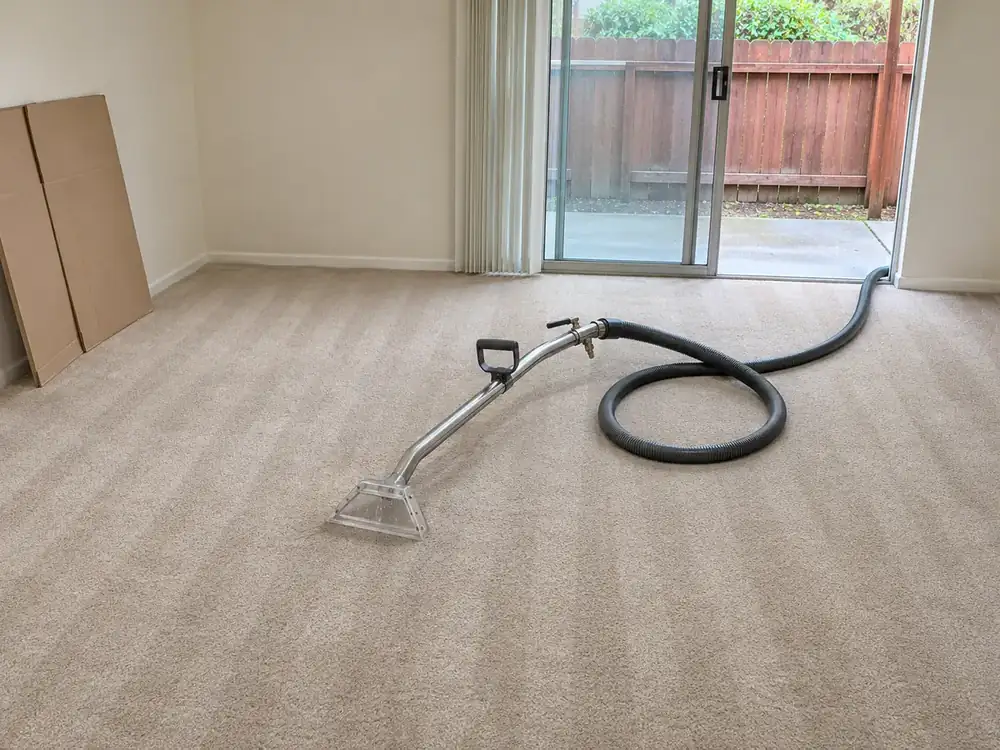
Gray lanes from the entrance and coffee beside the desks show where soil collects. Our local carpet cleaning professionals clean business carpet and upholstery in Newark and the Bay Area; call to discuss your floor and arrange the work.
- Calls answered 24/7
- Offices, shops, restaurants, landlords
- Serving Newark and nearby
Commercial Carpet Cleaning Across Building Types
On the floorEntry soil and seating stains
Comes firstYour technician checks the floor covering, furniture fabric and busiest routes through the building before choosing the cleaning method.
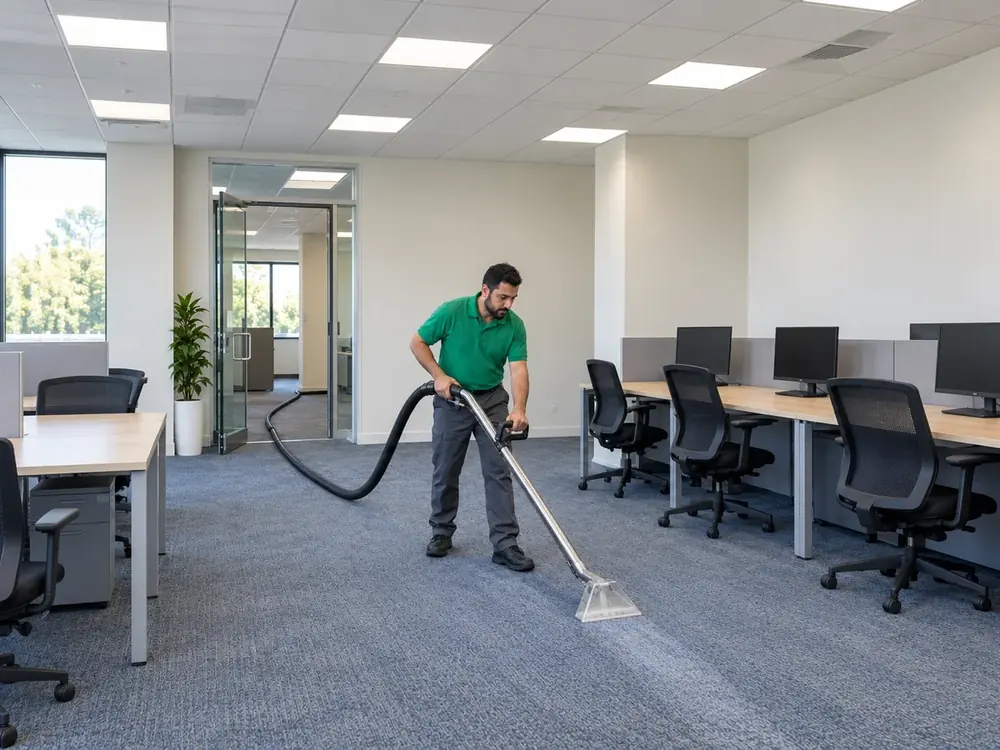
Carpet and upholstered furniture cleaning covers these business spaces around Newark and the Bay Area.
- Offices and coworking floors. Office carpet cleaning addresses entry grit and dark chair lanes on broadloom or carpet tile.
- Restaurants, cafes and bars. Restaurant carpet cleaning focuses on dining-room spills, food soil and fabric booths that need separate attention.
- Retail stores and showrooms. Retail store carpet cleaning follows customer routes around display bases, counters and upholstered demonstration seating.
- Hotels and motels. Hotel carpet cleaning covers corridor soil, guest-room marks and fabric seating in the lobby.
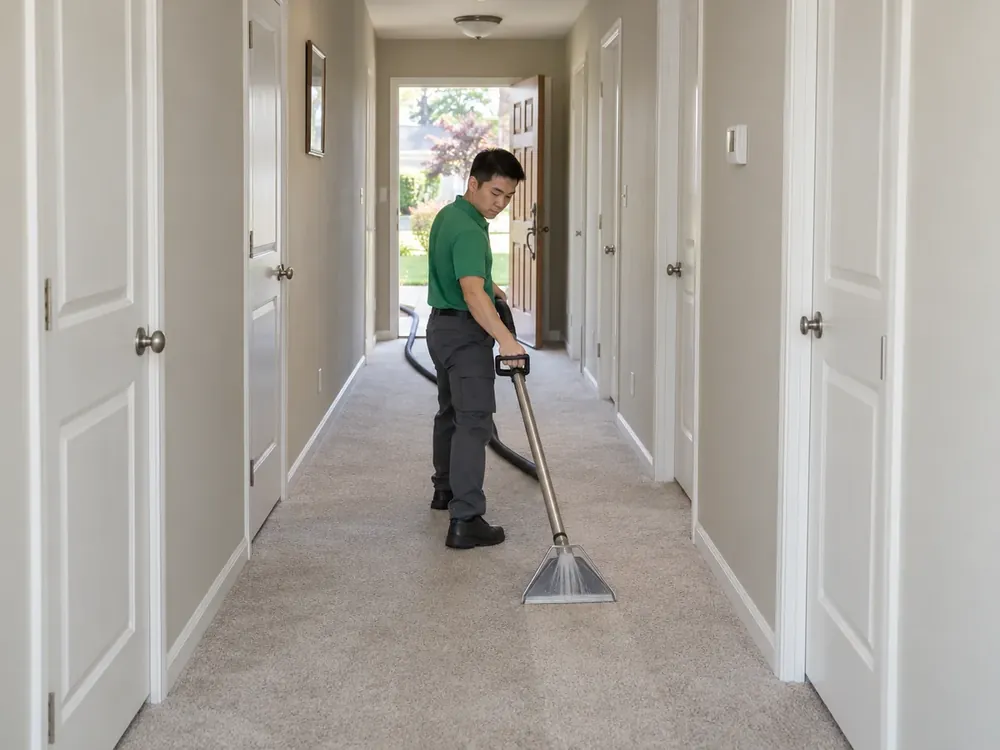
- Apartments and property managers. Hallways, carpeted stairs, leasing-office furniture and empty units need a scope tied to the turnover work.
- Schools, churches and community halls. School carpet cleaning and shared-hall work address tracked soil, chair areas and scattered drink spills.
- Gyms and studios. Carpeted reception areas, walkways and fabric benches need attention distinct from the exercise floor.
- Medical and dental offices. Work stays within waiting rooms and reception areas, including carpet and upholstered visitor chairs.
- Banquet and event rooms. Food spots around tables and soil on upholstered chairs call for checking fabric and flooring separately.
Visible Signs a Business Floor Needs Cleaning
On the floorDoorway grit and break room coffee
Comes firstYour technician follows the dark lanes from the entrance and checks individual spills separately from worn patches.
- Gray routes from the door. Dark paths toward reception desks and down corridors usually hold tracked grit; cleaning can lift soil but cannot rebuild worn fibers.
- Coffee and food spots. Rings near conference tables or break room chairs point to spills that need individual checks; old color changes may remain.
- Flattened patches under desks. Chair-leg dents and rubbed areas reflect pressure and use, so cleaning may leave the original wear visible.
- Dull carpet tile and dark seams. Matted tiles can hold soil along their edges; your technician checks whether the marks are dirt or lasting damage.
- Stained lobby seating. Dark arms and seat fronts collect body soil and spills, with the cleaning method depending on the upholstery fabric.
- Marks exposed after a move. Empty offices and units often reveal spots beneath desks or sofas; the remaining carpet condition sets the cleaning limits.
During the work, tell staff which areas are being cleaned and keep people off damp carpet until it feels dry. Use signs and protect wet areas. California's Cal/OSHA rules call for floors to be kept reasonably free of water and for slippery floors to be protected against slipping. Keep hoses and cords clear of walkways and exits. Maintain airflow consistent with CDC ventilation advice.
Cleaning Arrangements for Occupied and Empty Floors
On the floorTraffic soil across working floors
Comes firstYour technician discusses the soiled areas and the routes staff and customers need while cleaning takes place.
The cleaning arrangement follows the floor layout, the dirt being addressed and the hours people use the space.
| Option | When it fits | What it involves |
|---|---|---|
| Outside business hours | The premises stay busy throughout the working day | Discuss the visit time on the call and allow for drying before people return. |
| Area by area | A larger floor, occupied shop or restaurant with separate dining rooms | Close one section for cleaning while keeping another usable through a separate, clear route. |
| Whole-floor visit | An empty unit, vacant floor or office that can close | Clean the agreed areas together while staff and customers stay out of the work space. |
Drying depends on the carpet, airflow and weather, so reopening needs a floor check rather than a fixed time here. Your technician examines the floor and explains which arrangement fits the building.
From the Business Call to Cleaning Records
- Describe the floor. Call about the building type, carpeted areas, visible grit or spills, and whether customers or staff will remain inside.
- Discuss the visit. A local carpet cleaning professional takes the request forward and talks through access, furniture and the building's working hours.
- Agree on the work. Your technician examines the carpet, separates soil from wear and explains the scope and price before cleaning starts.
- Finish with clear notes. Cleaning follows the agreed scope, with drying instructions and a record of the areas completed for the owner or property manager.
Cleaning Records for Landlords and Business Managers
On the floorRemaining spots in cleaned rooms
Comes firstYour technician notes the rooms cleaned and any marks still visible so the manager has a clear record of the visit.
A dated cleaning record helps managers track which floors were cleaned and which stains remain.
- Areas completed. Keep the cleaning date with room names, floor numbers or unit identifiers, including any furniture included in the work.
- Remaining marks. Note old stains that did not lift fully and patches where wear still shows after the soil is cleaned.
- Receipts and scope. File the receipt with the agreed description of work so the owner can match the paperwork to the right premises.
- Simple maintenance log. Record the date, unit or floor, what staff noticed and what was done, using the same room names each time.
What Affects Commercial Carpet Cleaning Cost in Newark
On the floorLarge traffic lanes and scattered spills
Comes firstYour technician measures the work against the carpet condition, the rooms involved and the access needed for cleaning.
The cost follows the amount of carpet, its condition and the work needed to reach and clean it.
- Carpeted area, the number of floors or units, and carpet tile versus broadloom.
- Heavy traffic lanes, individual spills and old stains requiring extra passes.
- Desks, chairs and other furniture that need moving or cleaning around.
- Parking, loading-door access, elevators and the route for equipment.
- The day of the visit and the hours the building can be accessed.
One of our local carpet cleaning partners explains the proposed work and its price before cleaning begins. Read about why carpet cleaning quotes differ for more detail on scope.
Reasons Newark Businesses Call About Carpet Cleaning
- Calls answered 24/7. Report entry grit, food spots or a vacant unit when you call; the cleaning visit is arranged separately.
- Local carpet cleaners. Professional commercial carpet cleaning starts with the building's use and floor condition, including where staff and customers walk.
- Scope and price discussed first. Your technician identifies the rooms, stains and furniture involved so the work is clear before cleaning starts.
- Records for property decisions. Keep the cleaning date, completed areas and notes about remaining stains alongside the building's maintenance log.
- Newark and surrounding cities. Owners and managers can discuss commercial floors throughout the service area using the same number for each request.
Commercial Work Area Precautions
On the floorDamp carpet and wet tile edges
Comes firstYour technician and the manager discuss where people will walk while the carpet is cleaned and left to dry.
Damp carpet and wet tile need a work area that people can avoid while cleaning proceeds.
- Mark wet areas. Put out wet-floor signs and restrict access to wet sections. California's Cal/OSHA rules say permanent floors shall be kept reasonably free of oil, grease or water, with mats, grates, cleats or equivalent methods protecting against slipping on slippery floors.
- Keep routes open. Arrange hoses and cords away from walking routes. California's Cal/OSHA rules say permanent aisles, stairways and walkways shall be kept reasonably clear and in good repair. Keep exits and exit signs clear of hoses and cords.
- Allow drying space. Keep people off damp carpet until it feels dry, and tell staff which rooms are being cleaned.
- Maintain ventilation. Discuss suitable airflow with your technician; the CDC recommends ventilation when using products indoors.
- Leave products separate. Do not combine cleaning products; the CDC cautions against mixing products or chemicals.
Carpets, Sofas and Rugs at Home
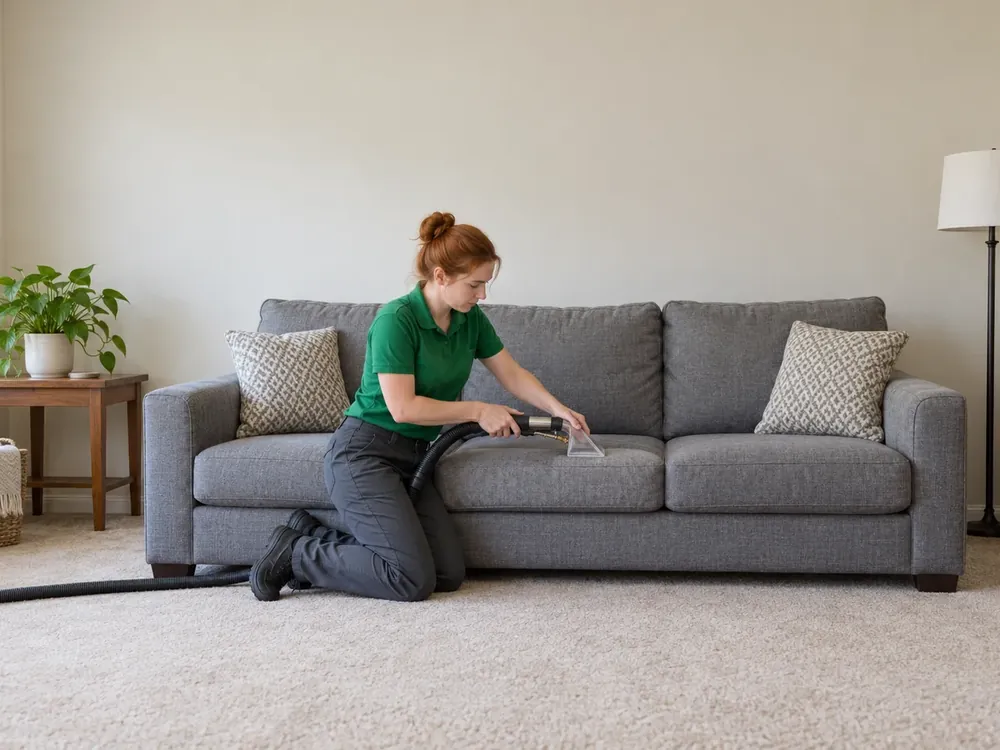
For owners, managers and staff living around Newark, the same number covers household carpet, sofa and rug cleaning through the home service pages below.
Commercial Cleaning Around Newark and Nearby Cities
Commercial carpet cleaning serves businesses, landlords and property managers in Newark, Fremont, Union City, Hayward, Milpitas, Sunnyvale, San Jose and nearby Bay Area cities.
Commercial Carpet Cleaning FAQs
Can I use this number for business floors as well as home carpet?
Yes, the same number handles commercial carpet requests and household carpet cleaning. Describe the entry grit, corridor lanes or spills at your business, along with the building's use. The conversation then covers the areas to clean, access for equipment and how staff or customers use the space.
Which kinds of business spaces does commercial cleaning cover?
Commercial work covers offices, shops, restaurants, hotels, schools, churches, apartment buildings and empty units. The scope follows the carpeted areas and furniture included in the request. A property manager can discuss shared corridors and stairs separately from a vacant unit, so the cleaning record identifies each area clearly.
Can customers stay inside during carpet cleaning and drying?
Keeping the business open depends on the layout and whether a clear route remains around the work. Discuss that arrangement during the call, including rooms that can close. Your technician checks the floor before settling the plan; drying depends on carpet, airflow and weather, with people kept off damp areas.
Can lobby chairs or waiting-room sofas join the cleaning visit?
Yes, commercial upholstery cleaning can be included with a carpet request. Mention the chairs, sofas or fabric booths during the call so each item enters the scope. Your technician reads the care information and checks the fabric, marks and construction before choosing how to clean the seating.
What paperwork should a manager keep after the carpet is cleaned?
Keep the receipt, agreed scope, cleaning date and a list of the areas completed. Add notes about old stains or worn patches that remain visible, using room names or unit numbers. A short maintenance log lets the owner compare later observations with the condition recorded after the work.
Which details change the cost of a commercial carpet job?
Carpet area, soil level, flooring type and access are the main cost factors. Stairs, separate units, furniture handling and individual stains can add work beyond the open floor. The building's working hours also affect how the visit is organized, so discuss occupied areas and cleaning arrangements during the call.
Gray lanes through your Newark office, shop or rental unit need attention; call now to discuss cleaning the affected floor.
Call (510) 371-9629